Travel information
The practical things worth knowing before you book — told to you now rather than discovered on arrival.
Getting to Sumba
1 · Fly to Bali or Kupang
No international flights reach Sumba. Nearly everyone connects through Denpasar in Bali; Kupang in West Timor is the other option.
2 · Domestic flight to Sumba
Roughly an hour from Bali to Tambolaka (TMC) or Waingapu (WGP). Flights are limited and change with the season — book this leg early.
3 · We meet you at arrivals
Land at Tambolaka and your driver-guide is waiting. Tours ending in East Sumba fly out of Waingapu, so book an open-jaw ticket.
Send us your flight numbers and times when you book. We build the first and last day around them — there is no point scheduling a village visit for an hour when your plane has not landed.
When to come
November – June
Green savannah
The grasslands are green and the waterfalls run hard. Rain falls in the afternoon, and some dirt roads turn slippery.
July – October
Golden savannah
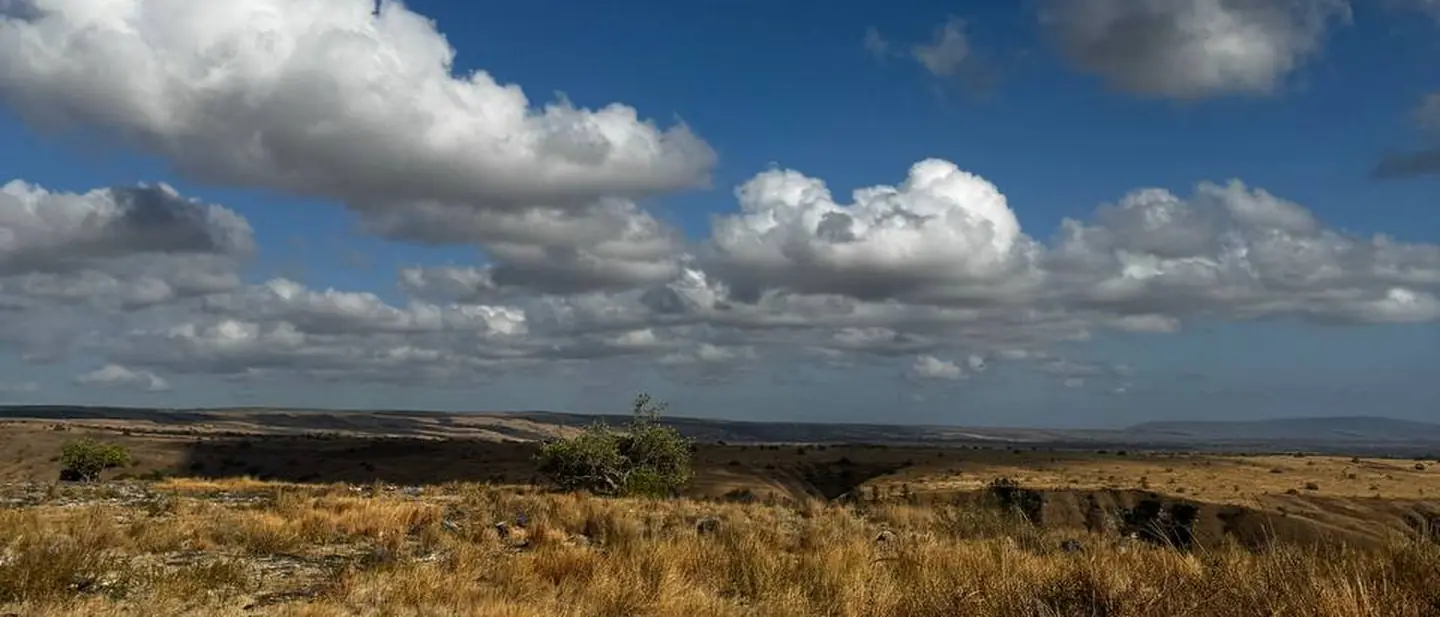
The grasslands turn gold — the view most people come to photograph. Waterfalls shrink and the air gets dusty.
February – March
Pasola season
The Pasola ritual is held in West and Southwest Sumba. The date is set by the village priests once the sea worms appear, so it is only confirmed about two weeks ahead.
Included
- Accommodation for the nights listed in the package
- Meals as set out in the itinerary
- Air-conditioned vehicle with a driver who also guides
- Entrance fees and village contributions
- Drinking water
- A Hello Sumba souvenir
- Basic first-aid kit
- Photography with a mirrorless camera and drone, files handed to you
Not included
- Flights to and from Sumba
- Travel insurance
- Personal expenses
- Tips for your guide, laundry, and anything not listed above
- Lunch on the final day
Where you stay
- Southwest Sumba — Hotel Ella, Deluxe room
- West Sumba — Morika Inn or La Casa De Luna
- East Sumba — Hotel Padadita, Deluxe room
Booking terms
- The deposit is non-refundable, unless Hello Sumba cancels the trip.
- Children aged 1–4 travel free, sharing a room, a seat and meals with other guests.
- A return transfer to Tambolaka Airport costs IDR 900,000 per vehicle.
- A single supplement applies if you want a room to yourself or a different room type; the price follows the room chosen.
- With an odd number of guests, one person uses an extra bed.
- Surcharges may apply over Idul Fitri, Christmas and New Year.
- The itinerary can be adjusted to suit you.
What to bring
- Hat and sunglasses
- Swimwear and a change of clothes
- Sandals or trekking shoes with real grip
- Sunscreen and a rain jacket
- Notebooks or pens for children in the villages, if you would like to bring something
- A USB drive or hard disk to copy your photos onto
Frequently asked questions
Is this a private tour or a group tour?
Every tour we run is private. You are not grouped with strangers, and the itinerary can be adjusted to suit you.
What is the minimum group size?
One person is enough to travel. Rates are tiered by group size, so the more people, the lower the price per person. The listed rates cover groups of one to five.
Do children pay?
Children aged one to four travel free, sharing a room, a seat in the vehicle and meals with the rest of the group.
How do I get to Sumba?
There are no international flights to Sumba. You fly into Bali (Denpasar) or Kupang first, then take a domestic flight to one of Sumba's two airports: Tambolaka in the southwest, or Waingapu in the east. The flight from Bali takes roughly an hour. Schedules are limited and change seasonally, so book that leg before finalising anything else — and tell us your flight times so we can build the itinerary around them.
Which airport should I fly into?
Tambolaka (airport code TMC) is the arrival point for all our tours. Tours that finish in East Sumba depart from Waingapu (WGP), so book an open-jaw itinerary — into Tambolaka, out of Waingapu. If you need to return to Tambolaka instead, the transfer costs IDR 900,000 per vehicle.
Do I need a visa for Indonesia?
Most nationalities can enter Indonesia on a visa on arrival or an e-visa, but the rules, fees and eligible countries change. Check the official Indonesian immigration site before you travel rather than relying on third-party summaries. Sumba is a domestic destination, so once you are in Indonesia there are no further entry formalities.
When is the best time to come?
November to June: green savannah and the waterfalls at full flow. July to October: the grasslands turn gold — the view most photographers come for — but the waterfalls shrink. Neither is wrong; it depends what you came to see.
Is photography included?
Yes. Every package includes photography with a mirrorless camera and a drone, and the files are handed to you. Bring a USB drive or hard disk to copy them onto.
Can I just walk into a traditional village?
No. Entering requires permission from the village elders, usually with a betel nut offering. Entrance fees and contributions are included in our packages, and your guide will explain what may be photographed and which areas are closed before you go in.
What are the payment terms?
A deposit secures your dates and is non-refundable, unless Hello Sumba cancels the trip. The balance is settled at the start of the tour. Payment is by bank transfer — we will send the details when you confirm.
What is the mobile signal like?
Telkomsel has the best coverage by a wide margin, so buy that SIM if you want data. At places like Tanggedu, Waimarang and Matayangu there is no signal at all — which most people end up appreciating.
Are flights included in the price?
No. The price covers everything on the ground in Sumba — vehicle, driver-guide, hotels, meals as listed, entrance fees and photography. Flights to Sumba are arranged by you.
Choose your tour
3D2N · 3 days
Sumba Tour 3 Days 2 Nights
Two route options for a short trip — stay in the west, or cross the island to East Sumba.
4D3N · 4 days
Sumba Tour 4 Days 3 Nights
An extra day for the harder-to-reach waterfalls — Tanggedu and Waimarang in the east, or Matayangu in the centre.